
Have you ever been stuck with a flat tyre or noticed your car shaking at higher speeds? As a car owner, these issues can disrupt your day and make you wonder about the best way to handle tyre maintenance. That’s where mobile tyre fitting comes in, a service that brings the garage right to your doorstep. But one question pops up often: does mobile tyre fitting include balancing? The short answer is yes, in most cases, and it’s a key part of keeping your vehicle safe and efficient.
In this guide, we’ll break it down step by step. Whether you’re a busy parent shuttling kids around Glasgow or a commuter in Edinburgh dealing with Scotland’s winding roads, understanding this can save you time, money, and hassle. We’ll cover what balancing really means, how it’s done on the go, and why it matters for your everyday drive. By the end, you’ll feel confident about when to call for this service and what to expect. Let’s get into it.
Understanding Mobile Tyre Fitting
Mobile tyre fitting is like having a personal mechanic who comes to you instead of you going to them. Imagine you’re at home in Aberdeen, notice a puncture, and instead of towing your car to a shop, a van pulls up with everything needed to fix it right there. This service started gaining popularity because life is hectic, and no one wants to waste hours waiting in a garage.
At its core, mobile fitting covers replacing old tyres with new ones, repairing punctures, and handling emergencies like blowouts. Technicians arrive in fully equipped vans stocked with tools, a range of tyre brands from budget to premium, and even air compressors for proper inflation. For example, if you’re on a remote Highland road and get a flat, a mobile service can get you back moving without a long wait.
What sets it apart from traditional garages? Convenience is the big win. No need to rearrange your schedule or find a ride home. Plus, it’s often available 24/7, which is perfect for night shifts or unexpected problems. In Scotland, where weather can turn quickly and roads vary from city streets to rural paths, this flexibility helps a lot. Think about a family trip to Inverness getting interrupted by tyre trouble; a mobile fitter can sort it without ruining the day.
But it’s not just about swaps. Good services include checks for tread depth, pressure, and overall condition to spot issues early. This preventive approach can prevent bigger problems down the line, like uneven wear that leads to costly replacements. If you’re new to car ownership, remember that regular tyre care isn’t optional; it’s what keeps you safe and your vehicle reliable.
What Exactly is Wheel Balancing?
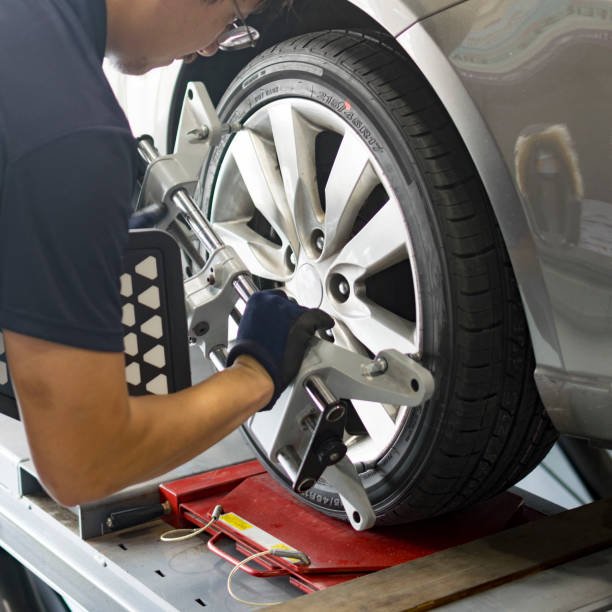
Wheel balancing might sound technical, but it’s straightforward once you grasp the basics. Picture your wheel and tyre as a team that needs to spin evenly. If one side is heavier, it causes shakes and wobbles, much like an unbalanced washing machine during spin cycle. Balancing fixes that by making sure weight is distributed equally around the wheel assembly.
Why does imbalance happen? Tyres and wheels aren’t perfect from the factory; tiny differences in material or wear over time create uneven spots. Driving on pothole filled Scottish roads can knock things out of whack too. For instance, hitting a curb in Dundee might shift weights or damage the rim, leading to vibrations you feel in the steering wheel or seat.
The process involves mounting the wheel on a special machine that spins it to measure where it’s off. Then, small metal weights, usually a few ounces, are added to the lighter side. These clip on or stick to the rim. It’s not a one time fix; experts recommend checking balance every 5,000 to 6,000 miles or with new tyres.
Without balancing, you risk more than just discomfort. Vibrations stress your suspension, brakes, and even the engine over time. Data from tyre manufacturers shows unbalanced wheels can shorten tyre life by up to 10,000 miles. That means extra costs for replacements sooner than needed. On a practical level, if you’re driving long distances, like from Glasgow to the coast, balanced wheels mean a smoother, quieter ride, less fatigue, and better control in wet conditions.
To spot if you need it, watch for shaking at speeds over 50 mph, uneven tyre wear patterns, or a pulling sensation. If your car feels like it’s dancing on the road, balancing could be the simple solution.
Do Mobile Tyre Fitters Perform Balancing?
Absolutely, most reputable mobile tyre fitters include balancing as a standard part of their service. It’s not an add on; it’s essential for a complete job. When you book a fitting, expect the technician to mention it, especially if you’re getting new tyres. In my years working with vehicles, I’ve seen how skipping this step leads to complaints about vibrations soon after.
How do they manage it without a fixed garage? Their vans are like mobile workshops, fitted with portable balancing machines that run on the vehicle’s power or generators. These tools are just as accurate as shop ones, using computers to detect imbalances down to the gram. For example, a fitter in Edinburgh might pull up to your office, jack up the car, remove the wheel, and balance it right there in under 30 minutes per tyre.
Compare this to a traditional setup: you’d drop off your car, wait, and pick it up later. Mobile services cut that out, but quality doesn’t suffer. Many fitters are certified and use the same brands you’d find in big chains. In Scotland, where distances between towns can be long, this on site capability is a game changer for rural drivers.
Of course, not every service offers it, so ask upfront. Look for ones that specify “full fitting including balancing” in their descriptions. If you’re dealing with speciality vehicles like vans or 4x4s, confirm they have the right equipment. Overall, yes, mobile fitters do balance wheels, and it ensures your new tyres perform at their best from day one.
The Process of Balancing Wheels On-Site
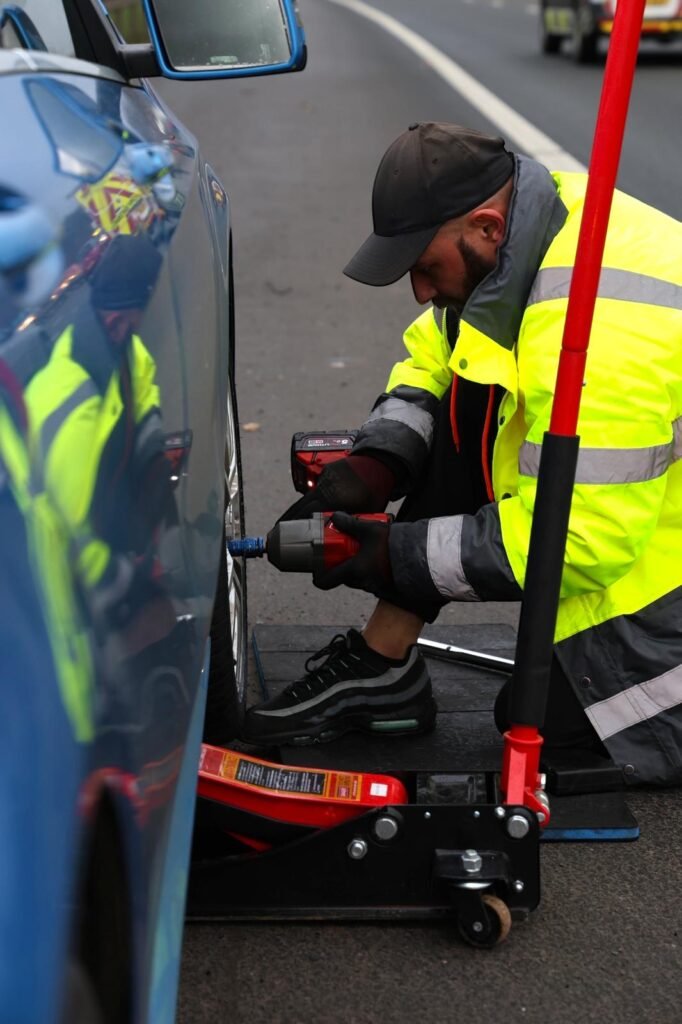
Let’s walk through how a mobile fitter balances your wheels, step by step. It starts when they arrive at your location, whether that’s your driveway in Glasgow or a parking spot at work. First, they inspect the tyres and wheels for damage, like bends or cracks, because balancing won’t fix structural issues.
Next, they remove the wheel from the car using a jack and tools. The wheel goes onto the portable balancer in the van. This machine spins the assembly at high speed, mimicking road conditions, and sensors pick up any wobbles. The computer screen shows exactly where and how much weight to add. Weights are then attached: clip ons for steel rims or adhesives for alloys to avoid scratches.
After that, they spin it again to verify. If it’s off, adjustments happen until it’s perfect. Finally, the wheel goes back on the car, torqued to spec, and they check pressure. The whole thing for four wheels might take 45 minutes to an hour, depending on the vehicle.
A real world scenario: Say you’re in Inverness with a van that’s vibrating on motorway trips. The fitter spots an imbalance from road debris, adds weights, and suddenly your drive feels brand new. Tips from pros: Always get balancing with new tyres, as even fresh ones can have minor flaws. And rotate tyres regularly to maintain balance longer.
This on site method is efficient and precise, proving mobile services are fully capable.
Key Benefits of Including Balancing in Mobile Fitting
Including balancing in your mobile tyre fitting brings several advantages that go beyond just fixing a shake. First, it gives you a smoother ride. No more annoying vibrations that make long drives tiring. This is especially useful on Scotland’s varied terrain, from smooth motorways to bumpy back roads.
Second, it extends tyre life. Even wear means you won’t replace them as often, saving hundreds over time. Studies from tyre experts show balanced wheels can add thousands of miles to tread life. For budget conscious owners, that’s real value.
Third, better fuel efficiency. Unbalanced wheels make your engine work harder, burning more petrol. With rising costs, even a small improvement adds up. Plus, it reduces strain on suspension parts, avoiding expensive repairs like new shocks or bearings.
Safety is another big one. Balanced wheels improve handling, especially in rain or emergencies. You get better grip and stability, reducing accident risks. For families or daily commuters, peace of mind is priceless.
Finally, the convenience factor. Getting it done at home means no downtime. Pros outweigh any minor cons, like slight extra cost if not included, but most services bundle it. In short, balancing enhances performance, saves money, and keeps you safer.
When Should You Get Your Wheels Balanced?
Timing is everything with wheel balancing. As a rule, do it whenever you fit new tyres. That’s because the process ensures the fresh setup starts balanced. Also, every 5,000 to 6,000 miles or during routine servicing makes sense.
Watch for signs: If your steering wheel vibrates at motorway speeds, or the seats shake, it’s time. Uneven wear, like one side of the tyre balding faster, is another clue. After hitting a pothole or curb, get it checked, as impacts can throw off balance.
Seasonal changes matter too. Switching to winter tyres in Scotland’s cold months? Balance them. The same for summer sets. If you drive a lot, like delivery folks in Dundee, more frequent checks prevent issues.
Pros and cons of waiting: Pro, you save a bit short term. Con, risks build up, leading to bigger bills. Insider tip: Combine with rotations for efficiency. If unsure, a quick inspection from a mobile fitter can tell you.
Busting Common Myths About Mobile Tyre Services
Plenty of myths float around mobile tyre fitting, especially about balancing. Let’s clear them up with facts.
Myth one: Mobile fitters can’t balance properly without a garage. Truth: Their portable machines are advanced and accurate, doing the same job as fixed ones. I’ve seen them handle everything from small cars to vans flawlessly.
Myth two: It’s more expensive. Actually, many services price it competitively, and you save on towing or time off work. In Scotland, local fitters often match or beat garage rates.
Myth three: Only for emergencies. No, it’s great for routine changes too, like seasonal swaps or upgrades.
Myth four: Quality suffers on site. Certified techs use top tools and tyres, ensuring professional results.
Myth five: Balancing isn’t needed with new tyres. Wrong; even new ones can have imbalances from manufacturing.
By knowing these, you make smarter choices for your car.
In wrapping up, mobile tyre fitting often includes balancing, and it’s vital for safety, comfort, and savings. You’ve learned the what, how, and why, so next time you notice an issue, you’ll know what to do.
For reliable service across Scotland, reach out to 24/7 Mobile Tyre Services or Call us at 07955 533000, we're here 24/7 to keep you rolling smoothly.
Frequently Asked Questions
Does mobile tyre fitting in Glasgow include wheel balancing?
Yes it usually does but always check with the provider. In Glasgow, services like ours at 247 Mobile Tyre Services make balancing standard to ensure your drive is smooth on busy city streets. It prevents vibrations that could make commuting uncomfortable, and our techs use portable machines for accurate results right at your spot.
How much does mobile tyre balancing cost in Edinburgh?
Costs vary but expect around 10 to 20 pounds per wheel. In Edinburgh, factors like tyre size or if its an emergency add up but its often cheaper than garages since no overheads. We include it in fittings to save you trips and keep costs clear upfront.
Can mobile fitters balance tyres in remote areas like the Highlands?
Sure they can. Our vans are equipped for off grid spots in the Highlands with generators and tools. Balancing works the same anywhere as long as theres space to work. Its handy for rural drivers avoiding long tows to Inverness.
What’s the difference between wheel balancing and alignment in mobile services?
Balancing fixes weight issues to stop shakes while alignment adjusts angles for straight tracking. Mobile fitters do both but alignment might need extra gear. In Dundee, if your car pulls to one side thats alignment but vibrations point to balancing. We assess on site to recommend whats needed.
How long does on site tyre balancing take in Aberdeen?
Typically 20 to 40 minutes for all wheels. In Aberdeen, our fitters work efficiently even in bad weather. It depends on vehicle type but includes full checks. No waiting in queues like at shops.
Is wheel balancing necessary for new tyres in Scotland?
Yes absolutely. New tyres can have minor imbalances from making or shipping. In Scotlands wet roads, balanced tyres improve grip and last longer. We always balance during fittings to avoid early wear from potholes or salt.
Do mobile tyre services in Inverness offer balancing for vans?
Of course. Vans and 4x4s are common here so our equipment handles larger wheels. Balancing is key for commercial vehicles to reduce downtime. Call ahead to confirm stock for your size but its standard for us.