
You know that nagging feeling when your tyre pressure light flickers on again, just weeks after you topped it up? Or maybe youve noticed your car handling a bit off on those wet Scottish roads. As a tyre tech with over 20 years fixing flats and leaks across places like Glasgow and the Highlands, Ive seen plenty of folks ignore a slow leak until it turns into a full blown problem. The big question: can a slow leak be caused by a puncture? Absolutely, and its one of the top reasons.
This isnt just trivia; understanding it helps you, the everyday driver, stay safe, save cash on replacements, and avoid breakdowns in remote spots. Whether youre commuting in Edinburgh or hauling gear in a van around Dundee, spotting and fixing slow leaks early keeps your vehicle reliable. Well cover what they are, why punctures play a big part, signs to look for, and steps to handle them. Stick around, and youll walk away knowing how to keep your tyres in top shape.
What Exactly is a Slow Tyre Leak?
A slow tyre leak happens when air slips out gradually over days or weeks, not all at once like a big blowout. Your tyre might drop a few PSI every week, making it hard to notice until youre pumping it up more often. Unlike a fast flat from a huge hole, this sneaky loss can go on for months if ignored.
Why does this matter? Tyres need right pressure for grip, fuel use, and even wear. Running low stresses the sidewalls, heats them up, and cuts life short. In Scotland, where rain slicks roads and potholes lurk, low pressure ups skid risks. Think of it like a balloon with a tiny pinprick; it deflates slow, but eventually goes flat. For car owners new to this, regular checks are your best defense against bigger issues.
From my time on the road, Ive fixed leaks that started small but led to uneven treads or bent rims. Stats from tyre groups show low pressure causes about 12 percent of breakdowns, often from ignored slow leaks. That means real downtime and costs, especially if youre far from help in Inverness.

Common Causes of Slow Tyre Leaks
Slow leaks dont just happen; theres always a trigger. One big one is damage to the valve stem, that little rubber bit where you add air. Over time, it cracks from weather or gets clogged with dirt, letting air seep out. In salty Aberdeen harbour areas, corrosion hits faster, weakening the seal.
Another cause is rim or bead issues, where the tyre meets the wheel. Bent rims from curbs or potholes break the airtight bond, or debris gets trapped there. I’ve pulled out bits of gravel that caused weeks of slow loss. Old tyres wear thin too, developing micro cracks that ooze air, especially after years on rough Scottish paths.
Temperature swings play a part; cold snaps contract air, but if there’s a flaw, it worsens leaks. Wheel corrosion, common in wet climates here, eats at alloys and creates paths for air. Each cause needs a close look to fix right, preventing repeats.
How Punctures Specifically Lead to Slow Leaks
Yes, a puncture can absolutely cause a slow leak, and its more common than youd think. When a nail, screw, or shard of glass pokes the tread, it doesnt always pop the tyre flat. Often, the object stays lodged, plugging most of the hole but letting air trickle out over time. As you drive, vibrations work it loose, speeding the leak.
Compare to a fast puncture: a big tear deflates quick, stranding you. But slow ones from small punctures build sneaky; you might lose 2 to 5 PSI a week. On Glasgows busy streets, debris from construction or litter ups the odds. One example: a client in Paisley had a screw from roadworks; it caused uneven pressure, pulling the car left until fixed.
Why does this happen? The puncture creates a weak spot, and pressure forces air through. If on the sidewall, its worse, as flexing widens it. Data from road safety reports notes punctures cause 40 percent of slow leaks, leading to early wear or failures. In my shop days, Id say half the slow leaks I saw traced to hidden punctures.
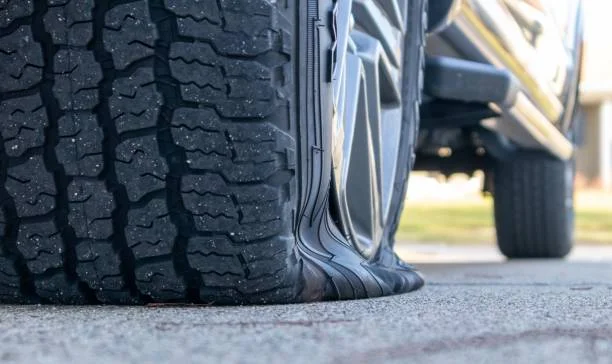
Signs and Symptoms to Watch For
Spotting a slow leak early saves hassle. First sign: youre inflating one tyre more than others. If it needs air every couple weeks while the rest hold steady, thats a clue. In Edinburghs stop go traffic, this shows as sluggish turns or heavy steering.
Your car might pull to one side on straight roads, like the M8. Low pressure on one tyre throws balance off, making you fight the wheel. Vibrations through the steering or seat at 50 mph plus signal imbalance from uneven deflation. Uneven wear, like bald spots on edges, appears too, as the tyre flexes wrong.
A ticking noise from something embedded, or a hissing if you listen close, are audible hints. TPMS lights flicker on modern cars when pressure drops 25 percent. In the Highlands, where help is sparse, these signs mean pull over safe. Ignoring them risks a full flat mid drive.
Tyre Repair Service in Glasgow
Step by Step: How to Detect a Slow Leak
Here’s a simple way to check. Start with a pressure gauge; get one for home use.
Step one: note all four tyres pressures cold, in the morning. Compare to your cars manual specs, usually on the door jamb.
Step two: inspect visually. Look for nails or cuts in treads and sidewalls. Feel for bulges or cracks. In wet weather, spray soapy water on suspects; bubbles show leaks.
Step three: drive a test. On a quiet road, feel for pulls or shakes. If one tyre loses more over a week, thats it. For valves, twist gently; if air hisses, replace.
Step four: submerge if possible. Remove the wheel, dunk in water; bubbles pinpoint holes. If unsure, pros like us use detectors. This method caught a slow leak from a tiny glass shard for a Dundee driver once.
Repair Options: Fixing vs Replacing
Good news: many slow leaks from punctures are fixable. For holes under 6mm in the tread, a patch or plug seals it safe. Techs remove the tyre, clean, and apply from inside for lasting hold. Costs low, around 20 pounds, and quick.
But not all qualify. Sidewall punctures? No repair; too risky as they flex and could burst. Multiple holes or old tyres mean replace. Pros: repairs save money over new sets. Cons: bad fixes fail, so choose certified shops.
Valve stems replace easy; new ones cost little. For rim leaks, resealing or straightening works if not cracked. In my experience, 70 percent of puncture leaks repair fine if caught early. Always get a pro check; DIY sealants are temp fixes at best.
Prevention Tips for Avoiding Slow Leaks
Keep leaks at bay with habits. Check pressures monthly, more in cold snaps. Rotate tyres every 6,000 miles for even wear. Avoid curbs and potholes; in Scotland, watch for them after storms.
Clean wheels regular to fight corrosion, especially near coasts. Choose quality tyres suited to wet roads; all seasons grip better here. After off road or debris heavy drives, inspect quick.
Myth bust: Sealants prevent all leaks; no, they help small ones but arent foolproof. Insider: Park indoors if possible; sun and rain speed cracking. These steps cut leak odds by half, per tyre studies.
The Safety Risks of Driving with a Slow Leak
Dont drive far on a leaking tyre. It reduces grip, lengthening stops by 10 percent in rain, per safety tests. Handling suffers, raising rollover risks on bends.
Over time, heat builds, risking blowouts at speed. For families or van drivers, this endangers all. In rural Inverness, a flat means long waits. Stats show low tyres factor in 15 percent of crashes. Fix prompt for safety.
To wrap it, slow leaks often stem from punctures, but spotting causes and signs lets you act fast. You now know detection, fixes, and prevention, keeping your drives smooth. If youre in Scotland and spot issues, call 247 Mobile Tyre Services. Were 24/7, no call out fees, and come to you. Phone 07955 533000, visit our website. Safe travels.
Frequently Asked Questions
Can a slow leak from a puncture happen on Scottish motorways?
Sure it can, especially with debris on busy roads like the M8. A small nail might lodge without flattening right away, but air seeps slow. In Glasgow traffic, youd notice pulling or vibrations first. We fix these on site quick to avoid breakdowns.
What are signs of a slow tyre puncture in Aberdeen?
In Aberdeen, watch for frequent top ups or uneven wear from salty roads speeding corrosion. Your car might feel heavy cornering near the harbour. TPMS lights often warn early. Our mobile team checks valves and rims too, fixing leaks without garage trips.
How do potholes in Edinburgh cause slow leaks?
Potholes jar rims, breaking seals for slow air loss, not always punctures. You might see sluggish handling on hills or pulling. Regular checks spot it. We reseal or repair at your spot, keeping you moving in city bustle.
Is a slow leak safe to drive with in the Highlands?
No, its risky on winding remote roads; low pressure cuts grip in rain, upping skid chances. Vibrations or hissing signal issues. Our 24/7 service reaches rural areas fast for inspections and fixes, preventing full flats far from help.
Can valve damage cause slow punctures in Dundee?
Valve damage mimics punctures with slow leaks, from wear or dirt. In Dundee commutes, youd inflate often. Easy replace fixes it. We stock parts and do it mobile, with upfront quotes to avoid surprises.
How to prevent slow leaks on Inverness drives?
Check pressures monthly, inspect for debris after rural trips. Avoid curbs to protect rims. In cold weather, leaks worsen. We offer full checks and balancing to catch early, extending tyre life on those long Highland routes.
