Ever felt your car shake a bit when youre picking up speed on the motorway? Or noticed your tyres wearing down funny? These could be clues that your wheels are imbalanced. As someone whos spent years fixing cars across Scotland, Ive seen how ignoring this leads to bigger headaches like pricey repairs or even risky drives. Wheel imbalance happens when the weight isnt even around the tyre and rim, making things wobble as you go.
This matters a lot for everyday folks like you, whether youre a commuter in Glasgow dodging city traffic or heading out to the Highlands for a weekend. Spotting signs early saves money, keeps your ride smooth, and most important, makes sure youre safe. Well go over the main symptoms, what causes them, and steps to sort it out. By the end, youll know when to act and avoid turning a small issue into a major one. Lets start with the basics.
What Causes Wheel Imbalance in the First Place?
Before jumping into signs, its good to know why wheels get imbalanced. Basically, no tyre or rim is perfect. Even new ones have tiny weight differences from how theyre made. Over time, things like hitting potholes on Scottish back roads or scraping curbs in Edinburgh parking spots knock them off kilter. Loose or lost balancing weights, those little metal clips on the rim, are common culprits too.
Worn suspension parts, like bushings or shocks, can add to the problem by letting vibrations build. Or if youve had a puncture repair, the patch might shift the balance. In winter, mud or ice buildup does the same. Think of it like a washing machine with clothes all on one side; it shakes because the spin isnt even. For cars, this uneven spin stresses everything from tyres to brakes.
Data from tyre makers shows about 70 percent of imbalance comes from road wear, not factory flaws. That means regular checks, especially after rough drives, prevent it. If youre in Aberdeen near the harbour, salty air speeds up corrosion, making rims uneven faster. Understanding causes helps you see why balance isnt a one time thing; its ongoing care for your vehicle.

Vibrations You Can Feel While Driving
One of the first and clearest signs is vibrations. You might notice the steering wheel shaking, especially between 50 and 70 mph. Thats because at higher speeds, the imbalance makes the wheel hop or wobble more. If its the front wheels, youll feel it in your hands. Rear ones? More like a rumble through the seat or floor.
Why does this happen? The uneven weight pulls the wheel off center as it spins, creating a thumping effect. On smooth roads, its obvious, but bumpy ones might hide it at first. For example, driving the A9 to Inverness, youd spot it quick on straight stretches. Ignoring it leads to fatigue on long trips, plus it wears out steering parts faster.
In my experience, folks often mistake this for engine trouble, but a simple test helps: if vibrations change with speed and not gear shifts, its likely wheels. Safety wise, it reduces your control in rain or emergencies. Studies show vibrations can cut reaction time by up to 20 percent, raising accident odds. So if your car feels like its buzzing, dont wait; get it checked.
Uneven Wear on Your Tyres
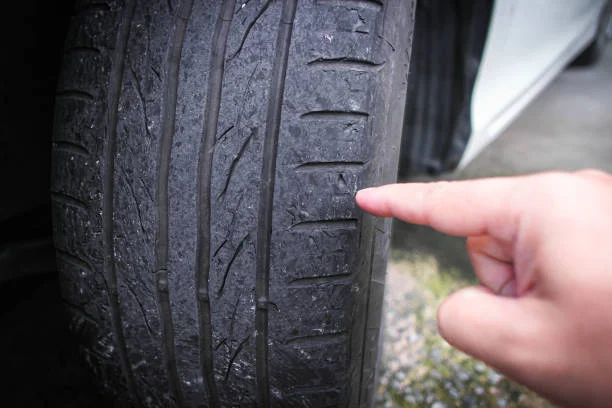
Look at your tyres closely, and uneven wear is a big red flag. You might see scalloped edges, where the tread dips in spots like a wavy pattern, or cupping, which looks like scooped out areas. One side balder than the other? Thats classic imbalance letting parts hit the road harder.
This occurs because vibrations make the tyre bounce, so contact isnt steady. Over months, it shaves tread unevenly. In Scotland, with our wet weather and potholes, this speeds up. A Dundee driver might notice it after city stop starts, where low speed hops wear the center more.
Why care? Uneven tyres lose grip, especially on slick roads, boosting skid risks. They also mean replacing tyres sooner, maybe every 20,000 miles instead of 40,000. Thats extra cost. Pro tip: Rotate tyres every 6,000 miles to even wear, but if imbalance is the root, balancing fixes it. Check by running your hand over the tread; if its rough in patches, act soon.
Steering Problems and Pulling to One Side
If your car pulls left or right on straight roads, imbalance could be why. Its not always alignment; uneven wheel spin tugs the vehicle. Youll fight the wheel to stay straight, which tires you out on long hauls like from Glasgow to the coast.
Compare to balanced wheels: steering feels light and precise. With imbalance, response lags, making turns shaky. In tight spots, like Edinburghs narrow streets, this ups bump risks. For vans or 4x4s, common in rural areas, its worse since heavier loads amplify the pull.
Heres a step by step check: Find a flat road, loosen your grip at 40 mph, see if it drifts. If yes, note the side. Front imbalance often causes this. Safety stats? Pulling contributes to 15 percent of lane departure crashes. Fixing it restores control and peace of mind.
Strange Noises from the Road
Hear a humming or roaring that gets louder with speed? Thats another sign. Imbalance makes tyres slap the road unevenly, creating noise like a bad bearing but tied to speed.
Why? The wobble vibrates the whole setup, echoing through the car. At low speeds, it’s quiet, but hit 60 mph and it roars. In quiet Inverness countryside, you’d pick it up easily, unlike noisy city drives.
Don’t confuse with exhaust issues; noise from imbalance fades when coasting. It matters because it signals wear that could lead to failures. One client ignored it, ended up with a shredded tyre on the M8. Tip: Roll down windows and listen at different speeds. If it matches vibrations, balance time.
Drop in Fuel Efficiency
Notice youre filling up more often? Imbalanced wheels create drag, forcing the engine to work harder. That burns extra fuel, maybe 2 to 5 percent more per tank.
How? The constant wobble resists forward motion, like running in sand. Over a year, that adds up, especially for commercial vans doing Dundee deliveries. Stats from fuel studies show poor balance can cut mpg by 1 to 2, hitting your wallet.
Track it: Note mileage before and after balancing. Most see improvement quick. In Scotland, with higher fuel prices, this savings is real. Plus, less strain means longer engine life. If your gauge drops faster without other changes, check wheels.
The Bigger Safety Risks of Ignoring Imbalance
Beyond comfort, imbalance poses real dangers. Vibrations stress suspension, leading to failures like broken struts. Uneven wear slicks tyres, raising hydroplaning on rainy roads, common here.
Pulling or shaky steering slows emergency swerves, say avoiding deer in the Highlands. Stats: Unbalanced tyres factor in about 10 percent of tyre related crashes, per road safety reports. They also heat up more, risking blowouts at speed.
Pros of fixing: Smoother rides, better handling, longer parts life. Cons of waiting: Higher repair bills, accident risks. Myth bust: Some think new tyres don’t need balance; wrong, even they can be off. Insider: Get balanced after any impact, like potholes.
To sum it up, signs like vibrations, uneven wear, pulling, noises, and poor fuel use mean act fast. Youve got the tools now to spot and fix imbalanced wheels, keeping your car reliable. For help in Scotland, contact 247 Mobile Tyre Services. We’re 24/7 with mobile balancing at your spot. Call 07955 533000 or check our website. Stay safe out there.
[Internal Link: Mobile Tyre Balancing Services]
[External Link: Road Safety Scotland Tyre Guide]
Frequently Asked Questions
What are common signs of imbalanced wheels in Glasgow?
In Glasgow, with all the stop go traffic and potholes, vibrations in the steering at 50 mph plus are a top sign. You might feel it more on the M8. Uneven tyre wear shows as cups on treads from bouncing. Our techs see this a lot and fix it on site with portable balancers to get you back quickly.
How do I spot imbalanced wheels on my van in Aberdeen?
For vans in Aberdeen, especially near the harbour with salty roads, look for seat vibrations if rears are off, or steering shakes for fronts. Pulling to one side on straight bits like Union Street is another clue. We handle commercial vehicles with heavy duty tools, balancing to cut downtime.
Are vibrations always a sign of imbalanced wheels in Edinburgh?
Vibrations often point to imbalance but check if they change with speed. In Edinburghs hills, it might mix with other issues like worn brakes. If its worse over 60 mph, likely wheels. We inspect fully, including pressure and tread, to confirm before balancing.
What safety risks come with imbalanced wheels in the Highlands?
In remote Highlands spots, imbalance raises blowout risks on winding roads, plus poor handling in rain. Vibrations tire you on long drives, upping accident chances. Our mobile service reaches rural areas fast, balancing to restore grip and control.
How does imbalanced wheels affect fuel use in Dundee?
In Dundee, imbalance adds drag, dropping mpg by a couple points from extra engine work. Youll notice more fill ups on commutes. Balancing evens it out, saving cash. We quote upfront and do it at your work or home.
Can imbalanced wheels cause noise in Inverness drives?
Yes, a hum or roar at speed signals imbalance in Inverness quiet areas. It comes from uneven road contact. If ignored, it worsens wear. Our 24/7 team balances on site, quieting things and extending tyre life.
